

Microdosing on antidepressants.
Written by Dr. Lotfi, PHD in Neuroscience.
Thinking about microdosing on antidepressants or replacing them?
If you’re wondering whether microdosing psilocybin could replace your antidepressants, you’re not alone. It is one of the most searched questions in the microdosing space, and most of us want to know this:
- Can I microdose while taking antidepressants (especially SSRIs/SNRIs)?
- Can microdosing replace antidepressants for depression or anxiety?
In this guide, we’ll explore both paths; combining and replacing, and what you need to know if you’re standing at this crossroads.
What is microdosing?
Microdosing is the practice of taking very small, sub-perceptual amounts of a classic psychedelic, most commonly psilocybin (the active compound in psychedelic mushrooms or truffles). At these levels you do not “trip” or get high.
Instead, people describe subtle changes over time, a gentle shift in clarity, mood, emotional resilience, and inner rhythm. Many are drawn to microdosing as a way to feel more connected to themselves and to life, especially when conventional treatments have felt incomplete or incompatible.
Although research is still emerging, personal reports are widespread, and scientific interest is growing fast.
How does microdosing psilocybin work?
Psilocybin interacts with the brain’s serotonin system, especially by activating 5-HT2A receptors, which are involved in mood, imagination, and cognitive flexibility. This activation can temporarily loosen activity in the Default Mode Network (DMN), a network linked to rigid self-focus and repetitive emotional patterns.
When the DMN relaxes, communication between brain regions may become more flexible, supporting neuroplasticity (the brain’s ability to form new pathways). This is one theory for why so many people report greater emotional adaptability, creativity, and resilience to stress when microdosing.
Unlike SSRIs, which primarily increase serotonin availability to stabilize mood, microdosing may work by encouraging a more dynamic brain state. That said, the exact mechanisms are still being studied.
What research says about microdosing and mental health
Scientific interest is real, but the evidence is mixed.
- Large observational studies have found that people who microdose report improvements in mood, mental health, and life satisfaction compared with non-microdosers.
- Placebo-controlled trials show smaller or no differences between microdose and placebo on many measures, suggesting that expectation and context may play a meaningful role. It is important to note that that the traditional structure of a study is ill fitted to measure the real life experience of doses that are this subtle and meant to be observed through a normal day at home.
The honest takeaway: microdosing is very promising, but it’s not yet a clinically established treatment for depression, and results vary by individual, protocol, and mental health history.
How do antidepressants work?
Most antidepressants, especially SSRIs (Selective Serotonin Reuptake Inhibitors) work by slowing the re-uptake of serotonin, leaving more available between neurons. This can stabilize mood and reduce symptoms of depression and anxiety.
But many people also report side effects such as emotional flattening, lowered libido, disrupted sleep, or a general sense of disconnection. Antidepressants can be life-changing for some, but for others they feel like symptom management rather than deeper resolution.
Can you microdose on antidepressants?
Current evidence suggests that microdosing on SSRIs or SNRIs is often physically safe, but there are two key cautions:
- Effects may be blunted.
SSRIs/SNRIs can reduce the subjective effects of psilocybin, meaning microdosing may feel weaker or ineffective for some. - Medication class matters.
- SSRIs: Generally considered low-risk to combine at microdose levels, though effects may be muted.
- SNRIs: Likely similar to SSRIs, but studied less.
- MAOIs: Do not combine with psilocybin. These carry higher interaction risk, including serotonin toxicity.
Serotonin syndrome is rare at microdose levels, but has been reported with higher psychedelic doses and certain medication combinations, especially MAOIs or multiple serotonergic drugs.
What to know if you’re considering replacing antidepressants
If you’re thinking about tapering or replacing antidepressants with microdosing, the key word is care. Stopping antidepressants abruptly can be physically and psychologically risky, and withdrawal can mimic relapse.
Principles to hold:
- Work with a qualified provider whenever possible, ideally someone psychedelic-informed.
- Go slowly. Tapering can take weeks or months depending on the medication and how long you’ve used it.
- Track your baseline. Mood, sleep, anxiety, and stress patterns matter more than any single day’s experience.
- Support the “why.” Microdosing isn’t a magic pill; it can be an invitation to understand what brought you to medication in the first place. Its a “medicine” that invite you to work with it.
Why some people feel microdosing helps differently
Many people who struggle on antidepressants are not only looking for improved mood, but for the feeling of being alive: having emotional range, cognitive flexibility, a felt sense of forward movement.
Microdosing is often described as supporting:
- emotional adaptability
- creativity and problem-solving
- a reduction in numbness or stagnation
These can be meaningful experiences, but they’re still subjective, and not guaranteed.
Personal experience
Individual experiences with microdosing vary, but some people report meaningful shifts in how they feel over time. Here is one personal account:
“I have been on antidepressants and anxiety pills since I was 17 (15 years by now). I used to follow every single step of the treatments prescribed, visited doctors and therapists in three different continents until I came across microdosing.
My fear was that over time I always ended up developing a tolerance to all kinds of medication, and I decided to step aside and look into my own self. I researched and found out that microdosing could be very effective, and I wasn’t wrong.
For the past two months I haven’t had a single pill, and my inner sensation is one of more control and balance, something that traditional medicine didn’t. I encourage those seeking for a change work it out from a different perspective and try microdosing.”
Brenda A.
Why a structured program matters
Microdosing works best when it’s treated as a practice, not a hack. Without structure, people often miss subtle changes or dose too frequently, chasing effects instead of letting them integrate.
A structured approach helps with:
- Pacing: knowing when to dose and when to rest
- Reflection: journaling and mindfulness to deepen insight
- Tracking: noticing gradual shifts that otherwise feel invisible
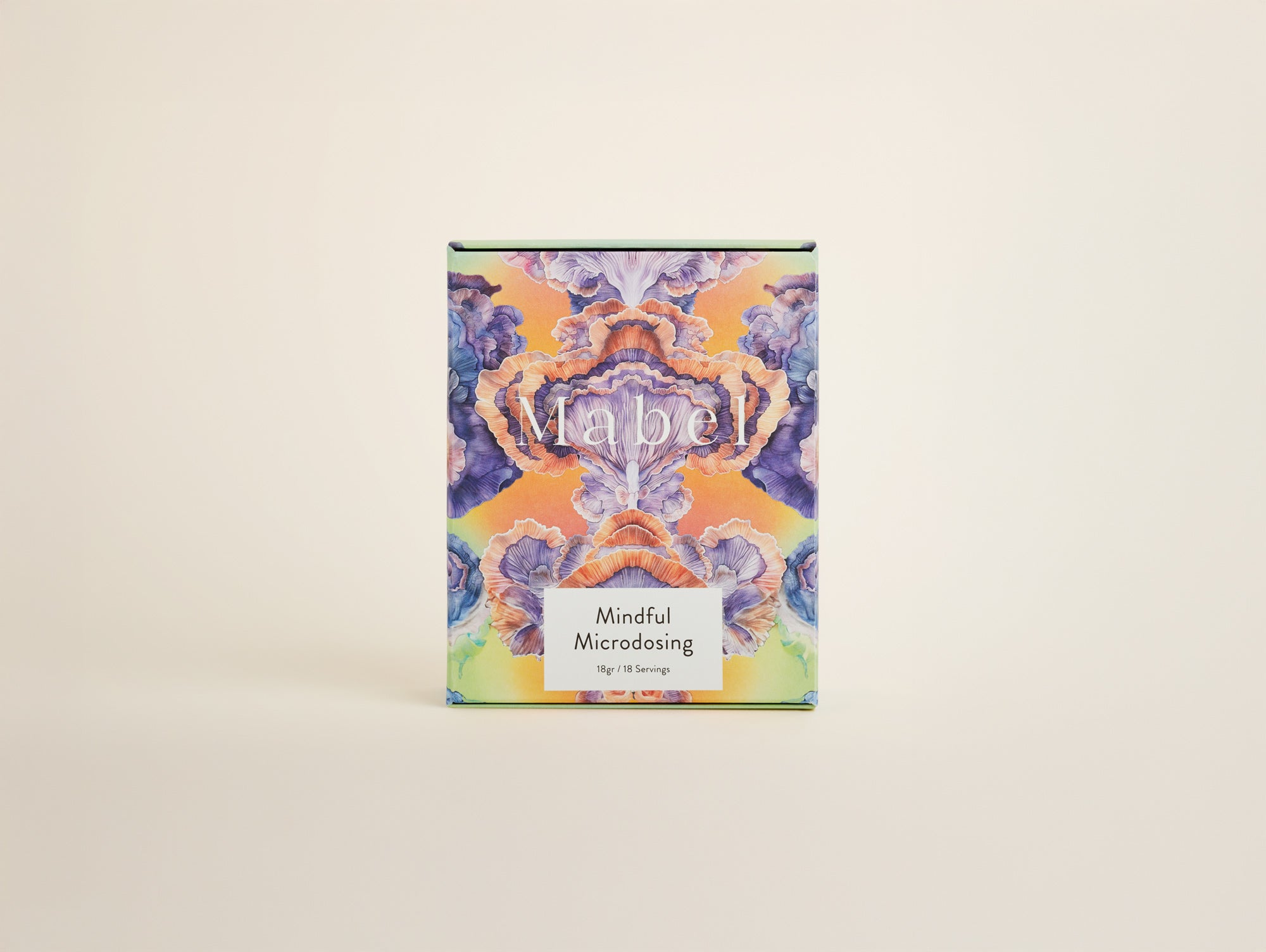
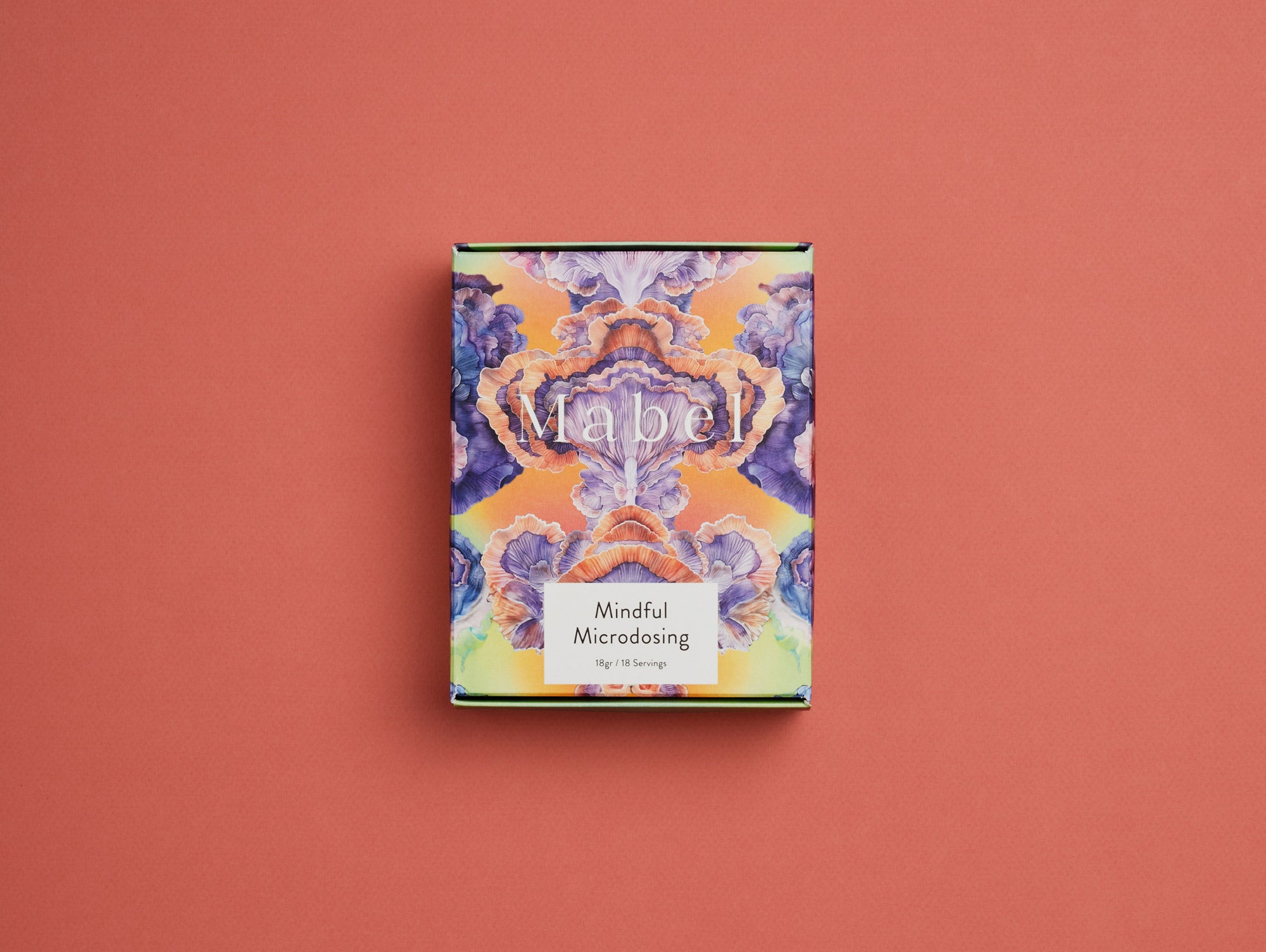
At Mabel, our Mindful Microdosing Program is designed as a steady framework for that process, gentle, guided, and grounded in both neuroscience and lived experience.
Choosing your path
Microdosing may offer a different relationship to mental health, one rooted in flexibility, resilience, and self-connection. Whether you’re exploring microdosing on antidepressants or considering a gradual transition away from them, the safest approach is slow, structured, and clinically supported.
Healing isn’t about speed. It’s about choosing what helps you unfold, in your own time, and in your own way.
Important note
Important note: This article is informational only. Any decision to start, stop, or taper antidepressants should be made with a qualified medical professional.
Microdosing
Read more

Tired of battling your own body? Living with an autoimmune condition can feel like an endless fight. But what if there was a way to support your journey with something unexpected? Discover how micr...

What can microdosing do for me? Have you ever wondered, “What does microdosing feel like, and what can it do for me?” To explain the benefits of microdosing psilocybin, I always use this simple yet...